New world
5th Jun, 2025 1065 Views
FIRST PART
World Peace — A Serious Challenge
Preamble
A New World — The Question of Human Consciousness and Existence
Human civilization today stands at the most decisive turning point in its history. Alongside unprecedented scientific and technological advancement, humanity has now equipped itself with unparalleled destructive capabilities.
This duality — development and destruction — has become the central contradiction of the contemporary world order.
War, the uncontrolled production and stockpiling of lethal nuclear weapons, and the ongoing psychological and moral degradation of societies are no longer the problems of a single nation. They have evolved into direct and complex threats to the historical survival of global humanity and civilization itself.
Humanity is indivisible — no nation, race, religion, or ideology can exist in isolation.
War is not a solution to problems — it is a symptom of failure in consciousness. It is not the product of wise policy, but rather a manifestation of collective psychological imbalance — the combined expression of superiority complex, inferiority complex, and fear.
The attempt to make weapons the shield of national security is itself the result of fear, mistrust, and failed dialogue. Where consciousness, morality, and cooperation fail, weapons are born. Therefore, weapons cannot be the true security of nations — they are merely signs and symptoms of the failure of human civilization.
The greater the perceived need for weapons, the clearer it becomes that humanity is intellectually failing in peace-building and preparing to enter the realm of instability and unrest.
This declaration affirms that dominationism and collective inferiority complex are the psychological roots of modern warfare, aggressive nationalism, religious extremism, and the arms race.
This article is not a proposal for political merger; it is a profound expression of shared moral responsibility, coexistence consciousness, and collective human identity.
Instead of a power-balance-based structure such as the current framework of the United Nations Security Council, it has become an urgent necessity to develop a decision-making system grounded in human security, human dignity, and moral legitimacy.
The continued imbalance of global politics may ultimately push civilization once again toward world war — ignoring this possibility would be a grave irresponsibility toward the future.
Responsibility Toward Future Generations
Future generations will inherit the consequences of the profound decisions we make today. It is the moral duty of the present generation not to hand over a world of war, fear, and destruction, but a secure, peaceful, and rational Earth.
Those who cannot ensure peace for their children and future generations lose the moral right to call themselves developed and civilized.
Every individual must first ensure both personal and global security. In conditions of insecurity, no constructive effort can produce sustainable and reliable results.
The present global crisis signals a narrowing of humanity’s intellectual capacity and maturity — a condition that can give birth to global catastrophe at any moment.
On behalf of all humanity, we declare:
— Life is greater than victory.
— Wisdom is higher than power.
— Peace is superior to any nation or religion.
This movement is not an end — it is the beginning of a new civilizational journey.
“Peace must be accepted not merely as an option — but as an essential condition for human existence.”
A New World — The Question of Human Consciousness and Existence
This work presents a choice before humanity: to continue advancing toward militarization or to choose the path of sustainable peace.
Drawing upon religious, philosophical, and ethical traditions, it clarifies that peace is not merely the absence of war, but a condition rooted in compassion, justice, empathy, and collective responsibility.
To confront structural dangers and restore balance, this work proposes reforms such as global disarmament, a universal currency, free and humane global mobility across nations, and the eventual establishment of a unified world government.
Ultimately, it concludes that both personal moral transformation and systemic reform are indispensable for world peace. Humanity must overcome destructive tendencies and strengthen global unity to ensure the continuity of human existence.
Although this is a short composition divided into three parts, its aim is to help readers understand the complex global realities facing humanity today in a clear and accessible manner. With the intention of reaching a global readership, preliminary work has also begun to publish this writing in several major world languages in book form.
This work is not affiliated with any religious sect or political organization. It is dedicated solely to the welfare of humanity. Because it contains significant conclusions, readers are earnestly requested to study all parts carefully.
If every reader studies this work with sincerity, it will undoubtedly add a golden brick toward the foundation of world peace.
The Growing Emotional Unity of Sensitive Humanity
Only when emotionally sensitive individuals across the world grow in unity and become a majority can the essence of this social movement advance in a truly constructive direction. If such unity strengthens, the likelihood of easing the complex global crises and tensions of our time will also grow significantly.
Continuity for Global Awakening
To prevent harm to all humanity, rigid traditions, narrow thinking, outdated cultural patterns, and limiting belief systems must gradually be replaced. In their place, new modes of thought and evolved approaches must be cultivated to adapt to changing realities.
Through this article, an earnest appeal is made to intellectuals across the world to reflect seriously on the concept of a New World aligned with present global needs.
The possibility of moving forward while clinging to the outdated foundations of status-quo thinking is rapidly diminishing. The current global order cannot sustainably progress under the weight of obsolete frameworks.
Every human being on Earth has a natural and birthright claim to live with dignity, free from fear, in a balanced and secure environment. This work advocates firmly for that fundamental right.
In accordance with natural law and inherent human rights, initiatives for global awakening must be strengthened — elevating the dignity of human existence and refining our collective purpose on this planet in a broader and more enlightened manner.
If decisive steps are delayed in addressing the grave crises that have brought the world to this dangerous threshold, signs increasingly indicate that unimaginable devastation could confront all inhabitants of Earth at any time.
The Reality of Nuclear Armament
Public data reveals the number of nations possessing nuclear missiles. According to 2024 estimates, the countries with nuclear arsenals include:
Russia — 5,889
United States — 5,244
China — 410
France — 290
United Kingdom — 225
India — 150
Pakistan — 150
Israel — 90
North Korea — 30
These weapons are considered far more destructive than the atomic bombs dropped on Hiroshima and Nagasaki during World War II. Modern nuclear missiles are designed to strike targets thousands of kilometers away at the push of a button.
Other Emerging Weapons of Destruction
The evolution from supersonic to hypersonic missiles — reportedly capable of traveling faster than the speed of sound — marks a new era of military capability. Russia’s “Satan-2” nuclear missile, for example, is described as having the capacity to strike multiple targets across distances of up to 18,000 kilometers in a single deployment.
Satellite-based warfare systems are also being developed, capable of precise strikes with devastating consequences. Recent conflicts have demonstrated the deployment of advanced technologies such as drone swarms and artificial-intelligence-based military systems, establishing that rapid technological progress itself has now become a profound challenge to human security.
International security analysts acknowledge that even the use of half of the world’s nuclear stockpile could threaten the survival of life on Earth.
The Endless Journey of Desire
Desire is not limited to sensory gratification of the body. It symbolizes excessive craving, insatiable longing, and the ever-expanding urge for “more.” It conditions human consciousness into a state of perpetual dissatisfaction.
This insatiability becomes the root of human unrest.
Therefore, self-restraint, patience, and conscious discipline must be cultivated to gradually neutralize these tendencies — this is an urgent necessity of our time.
More than 2,500 years ago, Gautama Buddha declared this truth: “Desire is insatiable.” The Pali term dushpūra signifies that it can never be completely fulfilled. The more one attempts to satisfy it, the more intensely it grows.
It is this uncontrolled impulse that plays a central role in destabilizing the world — pushing humanity toward unrest and ultimately toward decline.
Material Achievement and Inner Balance
As humanity advances outwardly in material progress and external achievements, it simultaneously drifts further from its inner center and equilibrium.
Such one-sided development cannot produce lasting or harmonious results. The root cause of this imbalance is desire — which extends beyond the senses and influences the mind, intellect, and consciousness itself.
The frightening conditions the world faces today are caused less by technology and more by psychological imbalance and moral deterioration. If these human weaknesses are not corrected in time, the possibility of preventing decline — or even catastrophic destruction — grows increasingly fragile.
The unnecessary and destructive desires driven by certain individuals and groups have created a chain reaction of fear, insecurity, and instability affecting all inhabitants of the planet.
Episode 3
Sensual Violence and the Shadow of Destruction
When desire rises beyond the individual level and assumes a collective and political form, it transforms into an insatiable hunger for power, dominance, and supremacy. It is this craving that drives nations into relentless arms competition and positions the world on the edge of war. At times, such conditions even give rise to stubborn and ambitious authoritarian rulers.
Today, the threat of nuclear war is no longer merely a political issue; it has become a civilizational warning signal of potential destruction for humanity itself. Tragically, only a small number of sensitive individuals across the world appear to recognize the depth of this danger, while the majority remain unaware or indifferent to this alarming reality.
The First and Second World Wars stand as testimony to the profound existential interconnection of humanity. Otherwise, how could seemingly limited disputes have resulted in the premature deaths of millions?
One of the greatest tragedies in human history is this: as long as weapons are placed at the forefront of political solutions, world peace will remain incomplete. The politics of weaponization only increases emotional distance among nations, and its final outcome is inevitably war.
One cannot reach the right destination by walking the wrong path. Just as severe illness cannot be cured by painkillers alone, global crises cannot be resolved merely through military balance or displays of power. What is needed today is treatment of the root causes — not the suppression of symptoms.
The Concept of One World — The Evolution of Consciousness
The deepening global crisis cannot be resolved by any single nation or institution. Its solution is intimately connected to the expansion and elevation of human consciousness.
The concept of “One World” is not merely a political proposal; it is a call for human unity — a vision where diversity exists without hostility, and where each recognizes and accepts the existence of the other. Only when this foundational principle is internalized can the groundwork for genuine world peace be established.
Although the essential foundation of human civilization has always been mutual trust, coexistence, and compassion, today that very foundation appears to be weakening and trembling.
At the deepest level of existence, human beings are not only emotionally interconnected but also fundamentally dependent upon one another for life’s essential needs. Ignoring this truth is arguably the primary cause of all global crises.
The Call of History and the Future
The continuous growth and expansion of destructive weapons cannot be considered a sign of progress. Rather, it is evidence of the erosion of human consciousness and wisdom. If humanity continues to delay in seeking decisive and accurate solutions, the future of all living beings and of this creation itself will be placed in grave danger.
In her book Nuclear War, Annie Jacobsen warns that if nuclear war were to begin, billions of lives could be extinguished within minutes. This warning is grounded in scientific analysis and strategic assessment.
Even spiritual traditions suggest that premature death leads to profound suffering — implying that such destruction carries not only physical but metaphysical consequences.
History has repeatedly witnessed the rise and fall of reckless and authoritarian figures on the world stage. However, the next world war, if it occurs, will not be limited in scope as in the past; it may place a grave question mark over the very survival of global human life.
This moment calls not only for policy reform but for purification of consciousness.
From desire to wisdom.
From violence to compassion.
From division to unity.
This transformation is not optional — it is the central and urgent necessity for humanity today.
Nuclear Ethics and the Role of the United Nations
The existence of nuclear weapons is not merely a military issue; it is a profound moral challenge. The central question of nuclear ethics is this: Can the creation, possession, or use of such weapons ever be morally justified — when their deployment has the capacity to annihilate humanity and life on Earth itself?
This chapter reaches a sobering conclusion: the endless race of desire, the expansion of nuclear arsenals, and institutional paralysis are collectively pushing humanity toward destruction.
Before the people of the world, only responsibility and accountability remain as viable choices. There is no alternative.
The Role of the United Nations (UNO)
1. The Need to Reevaluate the United Nations
The United Nations was established with the noble objective of institutionalizing world peace, human dignity, and international cooperation. However, in light of the expanding global war preparations, rapid technological militarization, and power-centered diplomatic rivalries, it may now be unavoidable to reassess the effectiveness and structural role of the United Nations.
A fundamental question arises: Are the nations of the world truly incapable of identifying the root causes of escalating conflicts and instability — or has this sensitive issue been deliberately neglected? This analysis places that critical inquiry at its center.
2. The Necessity of Prohibiting Warfare in Urban Areas
The core argument presented here is this: Until the global community — or the United Nations — develops genuinely effective mechanisms to prevent war between nations, and if conflict becomes unavoidable under extreme circumstances, then urban areas must be declared complete War-Free Zones.
Such a measure would not only reinforce the fundamental principle of civilian protection, but also recognize that cities are home to political leaders, civilian populations, and the families of military personnel. Conducting warfare in such environments should be deemed morally, legally, and humanely unacceptable.
The Concept of Designated Conflict Zones
Where absolutely unavoidable, the United Nations could consider designating sparsely populated or uninhabited regions — such as deserts or remote forested areas — as strictly limited and temporary conflict zones.
This would reduce civilian casualties and discourage the habitual use of war as a political instrument. War should never be normalized as a convenient policy tool.
Structural Concerns within the UN System
Although the United Nations was founded to ensure international peace, collective security, and the protection of human survival, the present global order — particularly the structure of the United Nations Security Council (UNSC) — appears to grant implicit legitimacy to nuclear-armed states.
Such a structure affects the global balance of power in ways that cannot ultimately serve the broader interests of humanity. Over time, this imbalance risks generating severe global instability.
3. The Contradiction Among Permanent Members
The UN was created with the highest objective of serving humanity’s collective interest. Yet paradoxically, statistical evidence shows that the permanent members of the Security Council are among the world’s largest producers and possessors of advanced weaponry.
Mutual distrust, geopolitical rivalry, and strategic competition among these powers continue to fuel militarization. The global atmosphere increasingly appears primed for conflict — where, under some pretext or another, war can erupt.
Unless humanity makes a conscious effort to unite emotionally and structurally reform outdated systems, this crisis will intensify and grow more dangerous.
The Urgent Priority of Disarmament
If the genuine intention is to establish lasting and sustainable world peace, the process must begin with the permanent members of the Security Council themselves. By initiating meaningful disarmament, they would set a moral example and gain legitimate authority to encourage or pressure other nations toward similar steps.
Without such leadership, the prospect of durable global peace remains extremely limited.
At the time of its founding, it was hoped that the United Nations would gradually guide the world toward greater security, balance, and peace. Yet today’s global reality suggests that much of humanity is moving instead toward insecurity, military rivalry, mutual suspicion, and fear.
Naturally, this raises serious questions: Are there fundamental structural flaws within the UN’s procedures and decision-making mechanisms?
Although the United Nations has achieved commendable successes in certain areas, its influence appears comparatively limited in addressing some of the most critical global concerns — particularly arms control, military competition, and regulation of advanced weaponry.
Given that these issues directly concern the life-and-death survival of humanity and the risk of premature global catastrophe, it may not be unreasonable to anticipate a day when the global public demands satisfactory answers regarding institutional accountability.
World War and Human Interdependence
The threat of nuclear war is no longer confined to theoretical speculation; it has become a structural reality. Despite this, a significant portion of the global population remains either unaware of the depth of the risk or resigned to passive indifference.
In such circumstances, the responsibility of the United Nations and global educational institutions becomes even more serious. Expanding public awareness and cultivating deep global consciousness must become urgent priorities.
Traditional Security Thinking and Human Survival
As long as the conventional mindset persists — that weapons constitute the primary solution to global problems — lasting world peace will remain unattainable.
The belief that “the more weapons we accumulate, the more secure and peaceful we become” has been repeatedly proven by history to be illusory and false.
The Protection of Human Existence
The preservation of human existence is possible only upon the following foundations:
— Global moral responsibility
— Mutual interdependence
— Human-centered security policy
— Institutional disarmament
— Shared global governance
In this context, the concept of “One World” is no longer merely an idealistic imagination; it has become an existential necessity of our time.
Self-Realized Personalities and Policy-Making
Individuals who sincerely pursue the ultimate truth often prefer to remain personally distant from political structures. A true seeker does not wish to become entangled in intermediate temptations — whether of power, prestige, or influence — before attaining their ultimate spiritual goal.
For such individuals, the experience of ultimate truth takes precedence over political authority or social recognition. Their highest aspiration is liberation. According to many spiritual traditions, attaining such a state resolves all fundamental suffering and conflict.
However, a profound question arises:
If individuals who are self-realized, truth-oriented, and deeply rooted in moral integrity were placed in decisive roles within global institutions such as the United Nations, could the aspiration for world peace become more attainable?
Those who move closer to ultimate truth naturally develop hearts filled with compassion. Their consciousness transcends narrow national interests and becomes dedicated to the welfare of humanity as a whole.
Transformation of Policy and Consciousness
The absence of deeply conscious, visionary, and morally courageous individuals within prestigious global platforms such as the United Nations may be one of the underlying reasons why global circumstances fail to transform in accordance with the demands of our time.
The mere accumulation of weapons, or efforts to balance geopolitical power, cannot resolve the real problems of humanity. On the contrary, such approaches often generate greater long-term instability and complexity.
Identifying truly authentic and deeply conscious personalities may not be easy from a purely material or external perspective, because this world also has no shortage of individuals who merely wear a spiritual facade. Even if such genuine personalities are encountered by chance, political structures and practices may hinder their inclusion, and mental as well as institutional barriers can prevent their ideas, vision, and sentiments from being acknowledged and respected.
At present, the likelihood that member states would readily embrace wisdom born of deep intuition and compassion appears limited. Those operating within power-centered frameworks often stand at an opposite pole from those who have elevated their consciousness — because the mindset of war and the mindset of peace are fundamentally opposed.
Those who carry a war mentality attempt to create peace through war — yet peace obtained through victory in war is not lasting peace. It is merely an intermission between conflicts, a period of regrouping and rearming.
War is a product of the human mind. Unless it is uprooted at its psychological source, it cannot be eliminated. Over time, war has become embedded as a recurring human pattern. Therefore, its eradication requires deliberate and transformative structural arrangements.
Nevertheless, history shows that the light of truth and wisdom can ultimately guide humanity forward.
The Role of Spiritual Power in Global Policy-Making
Unless material and spiritual dimensions are advanced in parallel, the possibility of maintaining lasting global peace and balance remains doubtful. Material progress alone cannot bring fulfillment to human life.
Without refinement of consciousness, strengthening of moral foundations, and cultivation of compassion, durable peace is unattainable.
Ultimately, the transformation of the global order depends not only on external institutional reform, but on the level of human consciousness itself. Until policy-making incorporates spiritual vision, universal responsibility, and compassionate sensitivity, lasting peace will remain merely an ideal.
Global Consciousness and Future Risk
Although humanity has achieved remarkable success in organizing and controlling the external world, it has not given sufficient importance to disciplining and refining its inner world.
Within each individual exists an independent inner realm that shapes perception, decision-making, and behavior. In truth, the external world is an expanded reflection of internal states. The quality of the mind, the direction of consciousness, and the depth of moral sensitivity collectively shape external reality.
When unbalanced minds operate collectively, their impact can lead to civilizational disorientation and potential decline.
Subtle mental forces influence social structures, political systems, and even the global atmosphere. Therefore, widespread unrest is not merely a structural problem; it is also the result of declining human consciousness.
When true happiness and peace are sought in external achievement, material wealth, or power balance, humanity remains trapped in illusion. Genuine peace lies in the awakening of self-awareness — where desires are moderated, ego diminishes, and compassion becomes central.
The Present State of the World
The current condition of the world resembles a bird flying aimlessly through dense fog, deprived of direction and clarity. This obscurity arises less from external circumstances and more from an inner imbalance—a gradual decline in the stability of human consciousness.
Impulses such as desire, anger, greed, attachment, jealousy, hatred, and ego are natural elements of human nature. Yet the failure to regulate and guide these tendencies in a balanced and constructive direction has become a principal cause of the present global crisis. Through nature, the Creator has also endowed humanity with positive qualities—compassion, kindness, sensitivity, and empathy.
The many fluctuations in human behavior and experience are the outcomes of the dynamic interplay between these positive and negative forces.
Without elevating the level of consciousness, neither material progress nor structural development alone can ensure global security. Ultimately, the future of the world will depend upon the transformation of the collective consciousness of the human mind.
The senses granted to human beings at birth are not merely biological instruments; they are gateways of awareness. One who can operate the subtle and “invisible software” that governs these senses with discernment, mindfulness, and self-realization gradually advances toward a purposeful and successful life journey.
As the prospects for resolving the world’s grave problems steadily diminish, there are few visible signs that global consciousness is advancing in a positive direction. Instability in global leadership, inconsistency in policy decisions, rapid military research, and growing insecurity are rendering the future of humanity increasingly fragile and uncertain.
The irony is that, in the name of addressing undeclared global crises, some nations continue to invest in the research and production of more lethal weapons. Such actions are not solutions; rather, they invite and encourage destruction—not only of other nations, but of their own as well. This truth must never be forgotten.
Nuclear Ethics and the Role of the United Nations
The existence of nuclear weapons is not merely a military matter; it is a profound moral challenge. The central question of nuclear ethics is this: Can the production, stockpiling, or use of such weapons ever be morally justified under any circumstances, when their misuse could result in the complete annihilation of human civilization and life on Earth?
The terrifying reality of today has emerged from a mindset that attempts to treat symptoms on one side while neglecting the root causes on the other. Unless effective measures are taken to neutralize and eliminate these destructive tendencies, the possibility of an unimaginable catastrophe at any moment cannot be dismissed. Humanity now stands with no alternative remaining—only responsibility.
Human beings have achieved astonishing progress in science and technology. Yet in terms of wisdom and consciousness, we appear comparatively diminished. We are becoming increasingly helpless before the destructive weapons we ourselves have created. If the present global trajectory continues, there is little reason to believe that this cycle will halt.
Those who have invented these weapons of mass destruction may feel that they are doing something beneficial.
However, if there are no institutions or spiritual teachers to guide helping them understand, from the perspective of conscience and wisdom, what is right or wrong, and warning them spiritually about the harmful consequences—and if the long-term negative conditions and devastating future impacts of such actions are ignored, then the condition of the world will continue to become increasingly fragile.
Even institutions empowered to pass resolutions to restrain such activities often appear helpless and subdued. As a result, the world situation becomes increasingly imbalanced. The future consequences of such actions will benefit no one. Riding a horse without reins inevitably leads to disaster. The laws of nature apply equally to all.
Today, the possibilities for resolving the world’s grave challenges are steadily diminishing. There are no clear signs of positive progress at the level of consciousness. The crisis of leadership, instability in policymaking, rapid military expansion, and escalating insecurity are making the future of humanity ever more precarious.
This raises a serious question: Is humanity moving toward a decline in wisdom and consciousness? If not, why are these destructive tendencies failing to come under control? Why is this sensitive and critical issue not being addressed with the urgency and priority it demands?
Moral Reawakening and the Call for “One World”
World civilization now stands at a sensitive crossroads. The blind race for material desire and ambition, the rapid expansion of nuclear weapons, and the inactivity of institutions established to safeguard global welfare are collectively pushing humanity toward a path of gradual destruction.
The present global order rests upon structures founded on competition, dominance, and ego. History has repeatedly demonstrated, however, that peace built upon fear, insecurity, and egocentric thinking can never be lasting.
Our Acknowledgment
If humanity were to prioritize actions that nurture compassion and empathy, an environment conducive to genuine world peace could gradually emerge.
At the dawn of civilization, human values and principles sustained a relatively positive course for long periods. Yet as the pace of development accelerated, the speed of destruction intensified alongside it. As a result, the present condition of the world feels increasingly weak and fragile.
The time has come not merely for technological advancement, but for moral renewal—a conscious awakening toward unity, responsibility, and a truly shared human future.
Consciousness, Power, and the Direction of Civilization
When evaluated from the perspective of consciousness, a comparative view of the Awakened One (Buddha) and a Dictator naturally reveals that they travel toward opposite poles of mental and spiritual states.
The Enlightened beings leave behind a legacy of positive wisdom, compassion, and transformative realization. In contrast, dictators leave behind painful experiences marked by suffering and oppression.
The summit touched by the consciousness of Gautama Buddha and the human-destructive ambitions born from the cravings and desires of dictators represent two entirely opposite journeys of life.
On one side, consciousness rises upward—toward compassion, peace, and awakening.
On the other, driven by unchecked ambition and ego, consciousness declines toward degradation.
One individual experiences eternal (permanent) bliss,
while another prepares to endure the very opposite condition.
Although the basic provisions granted to humanity by nature remain the same for all,
one seeks to discover and walk the path toward heavenly joy,
while another hastens toward a road that leads to suffering and ruin.
Today, global politics appears trapped in a vicious cycle where waves of insecurity are constantly rising. From the standpoint of consciousness, it is difficult to conclude that the world is progressing along a genuinely positive path.
The misuse of the natural “software” that governs human instincts has gradually weakened humanity. As consciousness declines, nations attempt to resolve insecurity through intensified defense and counter-defense measures. Under the pretext of protection, the rapid production, research, and accumulation of weapons continue to grow. This expanding climate of fear further weakens the collective consciousness of humanity.
If these natural inner “software systems” remain unbalanced and uncontrolled, it is not impossible that human civilization may face severe crises. Humanity is already experiencing the consequences of past actions (karma), and that process continues.
Second Part
The Most Dangerous Phase in Human History
War is a game whose sole objective is to eliminate the opponent in pursuit of victory. Yet even victory achieved after mass destruction can never provide genuine happiness to its orchestrators. Those who act against the laws of nature can never attain true peace.
If the current nuclear-weapon-based global order is not managed wisely and urgently, it may signal the approach of one of the darkest periods in human history. The expansion of lethal weaponry cannot, by any definition, be regarded as a sign of civilization or progress. Rather, it reflects a decline in human consciousness.
The designers and manufacturers of deadly weapons are fully aware that other nations can—and will—develop similar capabilities and potentially use them in retaliation. Yet research, innovation, and stockpiling of new weapons continue to be encouraged. Whether this path is right or wrong will ultimately be judged by time.
The intense competition for development and the continuous rise in defense expenditure indicate that the global economy is moving toward imbalance. When nations allocate a significant portion of their GDP (Gross Domestic Product) to military preparedness, essential human-centered sectors—such as education, healthcare, climate protection, and social welfare—inevitably suffer from limited resources.
When the collective balance of good and bad deeds within humanity reaches a critical negative threshold, conflict, imbalance, and war naturally emerge. It cannot be ruled out that each nation’s “turn” unfolds according to natural consequences.
This article seeks to raise awareness against all anti-human activities worldwide and to foster a supportive environment for research and dialogue aimed at preventing global crises.
The world can no longer remain anchored solely in materialism.
Universal human values, global friendship, spiritual awareness, and coexistence must be institutionally integrated into policy-making processes.
World Consciousness and the Turning Point of Civilization
Many people today appear to treat the expansion of the ego—one of the internal “software systems” provided by nature—as life’s central principle.
Competitive structures in politics, economics, education, and global institutions frequently reinforce ego-centered competition.
As a result, the world has become increasingly complex, unstable, and potentially explosive.
For a long time, traditional systems built upon ego-driven thinking have been further strengthened rather than reformed. This has contributed significantly to the fragile and critical condition of the modern world.
The Difference Between Intelligence and Consciousness
Although many people treat intelligence and consciousness as identical, they are fundamentally different—despite being closely related.
Intelligence relates to external knowledge, information, education, and analytical capacity.
Consciousness, however, relates to the inner dimensions of human nature—desire, anger, greed, jealousy, hatred, ego—as well as compassion, love, and empathy.
War can never produce truly positive outcomes. Victory achieved through destruction brings no lasting satisfaction. If the nuclear-based world order is not responsibly managed in time, many fear that humanity may approach one of its most tragic chapters.
The world must move beyond exclusive dependence on materialism and institutionalize global friendship, coexistence, spiritual consciousness, and the welfare of all humanity within its governing frameworks.
Essence
All beings in the universe are expressions of one Universal Consciousness (God).
Until humanity develops the awareness and feeling that “no one here is a stranger,” the vision of world peace will continue to drift further away.
Global Human Thought and the Present Condition
Imbalanced global conditions can give rise to a serious crisis at any moment.
For this very reason, the need for a new global consciousness is being felt with great urgency today.
Such a vision must be creative, inclusive, ethical, spiritual, and grounded in genuine peace—
not merely at the level of systems and institutions,
but also at the level of human mindset and perspective.
Unless an environment is created where governance based on natural principles, fairness, and justice can be systematically implemented, a balanced and positive direction toward human welfare and peace cannot be sustained.
The United Nations has undoubtedly carried out commendable initiatives. However, in highly sensitive areas such as arms regulation, disarmament control, and strategic military management, its role still appears significantly limited.
This issue is directly linked to life, death, and the risk of premature destruction for all humanity, making it extremely serious and sensitive. In the context of rising global awareness and humanitarian awakening, it is not impossible that at some point in the future, the United Nations may be compelled to provide clear, credible, and satisfactory answers to the collective concerns of the world’s citizens.
Every citizen of every nation has the natural right to question why the world is becoming increasingly insecure and crisis-prone. This matter is not confined to any single country or community—it is directly connected to the life, safety, and survival of every human being.
The UNO and a New Global Vision
It now appears necessary for the United Nations to move forward by recognizing both material and spiritual dimensions in parallel, fostering a global order that is simpler and more humane.
The world has already deeply experienced the consequences of a global management system driven solely by materialistic perspectives through political mechanisms. If this trajectory continues unchanged, intellectual communities across the globe have already begun to anticipate the direction in which the world may head in the near future.
The present era calls for humanity to cultivate a new mindset and a new vision—one that guides civilization not toward destruction, but toward creative and constructive progress.
Modern Weapons Used in Contemporary Conflicts
The surprise missile attack on Israel by Hamas, the suspected involvement of Iran, and the prolonged impacts of the Russia-Ukraine War have made it clear that 21st-century wars are becoming increasingly complex, technology-driven, and unpredictable.
The suffering endured by millions of civilians in these regions has revealed the painful truth about how fragile the Global Security Architecture has become.
Ordinary citizens in those countries likely never imagined they would face such circumstances. These sudden events have not only displaced millions but have also resulted in countless deaths and permanent disabilities.
While most people around the world sincerely hope that such destructive situations will end quickly and never recur, there is no absolute guarantee that similar crises will not arise again.
Technologically, human society has reached a highly sensitive stage where even a regional conflict carries an increasing probability of escalating rapidly into a world war.
The advanced military technologies and warfare systems used in recent conflicts have already demonstrated that modern war technology itself poses a serious threat to human security.
Although there is no verified evidence that nuclear missiles have been used in current conflicts, international security analysts widely acknowledge that if even 50 percent of the nuclear weapons currently available worldwide were deployed, the very existence of life on Earth could be annihilated.
The Importance of Peace Alongside Material Development
Today, as the race for material development intensifies, the importance of peace has increased proportionally. Yet paradoxically, the production of nuclear and other lethal weapons continues to rise, and activities that fuel instability are accelerating—creating a chain of additional global crises.
Two world wars have already demonstrated that humanity is deeply interconnected. Otherwise, it would be difficult to justify how millions from different nations were drawn into war and lost their lives over relatively small triggers.
Perhaps only a limited number of conscious individuals truly sense the dark cloud of potential nuclear conflict hovering over the world. The majority of Earth’s inhabitants appear either unaware or insufficiently informed about the gravity of this issue.
Core Essence
— All beings are part of one Universal Consciousness (God).
— Until humanity truly realizes that “no one here is a stranger,” the dream of world peace will continue to recede.
If it is accepted that the ancestors of today’s humanity, having strayed from the right path during the course of their journey, have handed over to the present generation a world system that has become frightening and deeply troubled, then it is now the duty of the new generation not to delay in identifying the correct path.
They must strive to correct past mistakes and move forward with determination and courage, taking bold steps to make the future more beautiful and secure. In doing so, they can help ensure that the life journey of all beings currently living on Earth, as well as that of future generations, becomes meaningful and harmonious. Otherwise, a situation may arise in which future generations remember their ancestors with resentment and condemnation.
An imbalanced global situation can give rise to crisis at any moment. Therefore, a new mode of thinking—creative, inclusive, ethical, spiritual, and grounded in genuine peace—has become urgently necessary, both in terms of global conditions and systems.
Until an environment is established that enables governance based on natural principles, impartiality, and a just framework of management, it will not be possible to maintain a balanced system that genuinely serves human welfare and peace, nor to move global circumstances forward in a positive direction.
The United Nations has certainly carried out many commendable initiatives. However, in matters of the greatest and most critical concern to all humanity—such as arms regulation, disarmament, and highly sensitive issues related to military strategy—its role appears clearly limited.
This issue is directly linked to the risks of life, death, and premature destruction for the entire human race. In the context of rising global awareness and human awakening, it cannot be ruled out that at some point in the future, the United Nations may be required to provide credible and satisfactory answers to the collective questions of the world’s citizens.
Every citizen of every nation has the natural right to raise questions about the present global condition. This issue is not confined to a single country or community; it directly concerns the life, security, and potential premature death of every human being.
The Digital Age and the Present World
With the advent of the digital age, the world increasingly resembles a “Global Village.” Both positive and negative events occurring anywhere now have rapid and widespread global impact.
In the event of any future war, including a possible world war, the role of machines is likely to surpass that of humans. In such a digital war, human sensitivity and compassion may become almost negligible.
As a result, countless individuals’ future plans and dreams could be shattered in an instant, coming to a permanent end.
The more severe a disease, the more proportionate and urgent the treatment must be. If proper measures are not taken, the condition only becomes more complex and dangerous. Therefore, an immediate and effective remedy for this global crisis is essential.
Perhaps the most appropriate and superior solution to this complex and crisis-ridden global condition is the concept of “One World.” It does not appear that other approaches can adequately address the increasingly fragile and complicated global problems.
Global Crisis: A Collectivel Responsibility
The current global crisis is not solely the responsibility of governments or the United Nations; nor does it appear to be a situation that they alone can resolve. It is also the shared moral responsibility of all humanity.
The reason is clear: most of the problems humanity faces today have been inherited from previous generations. Within the systems passed down to us are both the positive and negative consequences of their actions, naturally embedded over time.
Human beings have continued both constructive and destructive tendencies, resulting today in extremes of development and destruction. Ideally, humanity should have embraced the positive aspects while gradually reducing harmful karmic flaws. However, it appears that insufficient thought was given to the possibility that future generations would have to bear the consequences.
Only a small number of individuals have been able to transform their lives by adopting perspectives different from traditional patterns of thinking. Such individuals display high levels of human sensitivity, compassion, and moral awareness.
There is a pressing need to protect and promote noble values and virtues while gradually reducing—and ultimately eliminating—harmful ideas, destructive cultural patterns, and negative tendencies. Organized global efforts are necessary to guide life and global conditions toward a more positive direction.
Even nations equipped with highly advanced weapons are beginning to feel insecure. This clearly demonstrates that true security cannot be guaranteed by weapons alone. There appears to be no sound justification for accumulating vast quantities of destructive weapons merely in the name of security.
In reality, a nation’s security lies not primarily in weapons, but in positive thinking, skilled diplomacy, ethical leadership, and humane conduct. This path alone can guide humanity toward lasting, sustainable, and meaningful peace.
Positive thinkers exist in sufficient numbers in every country, but because they are scattered, their actions often fail to create meaningful impact. The time has now come for these forces to unite.
It may take some additional time for the average global population to fully grasp the concept of “One World”. Yet, to save this beautiful Earth, there appears to be no better or superior alternative in the entire world.
To advance this initiative effectively, considering that positive consciousness among the majority of the world’s population can lead to rapid change, it is essential to awaken the general public through diverse awareness campaigns. All peace-loving individuals are therefore called upon to participate in this effort.
This article, if read partially or superficially, may seem incomplete or flawed. Only a thorough study can reveal the profound goodwill it intends to demonstrate toward humanity and its potential direct and indirect impact on world peace. Even sharing this knowledge alone will surely contribute to global welfare.
Demonstration of Lethal Weapons
From time to time, countries display lethal weapons during their national events, and global human activity further confirms that the world is approaching an extremely perilous period.
Even if these weapons are not used immediately, at some point, someone will inevitably find an excuse to fulfill their ambitions and sound the war drums.
A newborn child has no awareness of the risks in the world they are entering. Many innocent children fall victim to war and die prematurely, without having any conflict or dispute with anyone.
Some individuals, regardless of their field of study or the degrees they have obtained, continue destructive behaviors due to their lifestyle, upbringing, and environment. They relentlessly explore ways to intimidate and harm others, making such destructive action the primary purpose of their lives. The possibility of “falling into one’s own trap” cannot be denied in such cases.
In particular, governments and citizens of nations with large arsenals of nuclear weapons must take this issue seriously and act decisively to protect the Earth. To change the current global situation, all conscious and responsible citizens must make every possible positive effort and contribution from their own side.
The present global environment must aim to reduce animosity and hostility—especially between nations—and instead cultivate a spirit of friendship and cooperation worldwide.
Formal Initiation of the Concept
A French environmental scientist, sent by the French government to study the rapid melting of Himalayan glaciers in Nepal’s Everest region, also expressed concern about nuclear weapons. He remarked:
"What kind of civilization are these Earth-dwellers developing, that humanity is hastily preparing its own means of destruction?"
Considering the gravity of the matter, remaining silent is no longer appropriate. Presenting the “One World” concept to the world cannot harm anyone. At the very least, it ensures that someone has attempted to warn humanity in time. Should a future world war occur, those who survive will remember this effort.
If humanity can advance the “One World” concept, it will cause no harm; on the contrary, it will benefit everyone in every respect.
At least five major and direct benefits are clearly evident:
1. The end of the horrors of global war – No one will be orphaned due to war, and no one will have to lose their loved ones.
2. The reduction of terrorism – When the causes of conflicts are removed, disputes and wars lose justification and purpose.
3. Global citizenship without conflict – Citizens of any nation will no longer have to fight wars; everyone can exist as a citizen of the world.
4. No need for liberation movements – The concept itself becomes a universal movement of great liberation for all.
5. Purification of karmic burdens – Considering the accumulated negative deeds of humanity’s ancestors from the beginning of creation until today, the era of cleansing karmic burdens begins. Consequently, the possibility of future wars, including world wars, will gradually disappear naturally. This will be the greatest and most glorious achievement for all living beings on Earth.
Conflict Between Superiority and Inferiority
This study analyzes two deep psychological states of the human mind in relation to modern society, global politics, social structures, and contemporary violent conflicts.
Most of human history’s conflicts are rooted in psychological imbalance—particularly the sense of superiority (superiority complex) and the sense of inferiority (inferiority complex). These states create divisions that continue to exist across societies.
These two conditions profoundly influence a person’s self-identity, social relationships, and decision-making processes. When transformed into extreme nationalism or collective consciousness, they become primary drivers of divisive politics, ethnic and religious violence, and military aggression.
Superiority and inferiority are two extreme poles of the human psyche. The former excessively strengthens ego, while the latter fosters self-deprecation and feelings of inadequacy. Both function like an invisible, slow-acting poison, subtly undermining human life. Historical evidence suggests that most conflicts and wars have been decisively influenced by one or both of these states.
Balanced consciousness rises above both extremes, inspiring paths of self-acceptance, compassion, and equality—recognizing all humans as expressions of the same consciousness. Such awareness makes a profound and lasting contribution to human development.
When an individual descends below the fundamental level of human consciousness, they tend to promote disorderly and destructive activities that endanger not only others but their own existence. History has repeatedly confirmed this through the actions of cruel tyrants.
Addressing these extreme psychological tendencies is possible only through global conscious equilibrium, and thus there is always a need for the middle path between these two extremes. The concept of “One World” is believed to play a positive role in this process.
When a person reaches the highest peak of consciousness, they develop the capacity to enlighten and uplift the entire world. Such personalities contribute positively and sustainably to global peace, stability, and human welfare. The legacy left by enlightened individuals clearly testifies to this fact.
Although Gautama Buddha has been called the “Light of Asia,” he truly represents a symbol of pride for all human consciousness. Every enlightened personality has contributed to raising global human awareness.
International Politics and Power Structures
In world politics, feelings of superiority and inferiority deeply influence national behavior. These are not mere psychological weaknesses—they are profound socio-psychological issues that shape nationalism, geopolitics, social structures, and cycles of violence.
Even wars and conflicts arising from religious differences are largely driven by these emotions. Questions like “Is your religion greater than mine?” or “Whose guru is superior?” reflect the psychological thought patterns at work. Therefore, comprehensive remedies at scientific, philosophical, psychological, and policy-analytical levels are essential.
The most precise solution to the global imbalance caused by increasingly complex human psychological disorders seems possible only through a unified world approach.
The increasing production of lethal weapons worldwide is also rooted in this psychological issue. Given the current circumstances and global environment, there appears little hope that this mental imbalance will diminish on its own. Addressing one side of the problem while neglecting the other only compounds the world’s crises.
Desires of the Global Electorate
In most countries, citizens exercise their voting rights with the expectation of selecting capable, visionary leaders who will make fair and wise decisions in the interest of both the nation and humanity as a whole.
Yet, despite this, the world’s condition—characterized by fear, insecurity, and destruction—is rapidly worsening. This indicates a profound imbalance between leadership, structural frameworks, and human consciousness.
Assessing the current global situation, one cannot help but wonder whether humanity’s collective average negative actions have filled a metaphorical “heap of sin,” poised to erupt. Three critical questions naturally arise:
Are humans, even subtly, moving toward collective self-destruction akin to a global suicide, like in world wars?
Have humans become lost and confused, unable to find the path of peace and joy, or have they simply been prevented from walking that path ?
Are humans’ average actions deteriorating to the point that natural processes themselves are creating conditions of destruction?
These questions underline the urgent and serious challenges facing humanity today.
12-Episode
War, Responsibility, and the Turning Point of Civilization
More than 99.9% of people in every nation are not supporters of war. Yet once war begins, circumstances gradually evolve in such a way that the majority of public opinion comes to believe that war was inevitable. Such an illusion is born from the consequences of collective human actions and moral failings.
When society lacks the awareness that such destructive environments should never have been created in the first place, war becomes “unavoidable,” and ceasefires are declared only after immense human and material loss. This phenomenon may seem mysterious; otherwise, everyone already knows a simple truth—war destroys everything. Such basic wisdom exists within all human beings.
Instruments of Development and Destruction
In places where destructive weapons and technologies are most heavily invented and produced, citizens must remain vigilant. By wisely exercising their fundamental democratic rights especially the right to vote—they must cultivate leadership and political environments that genuinely reflect a commitment to global peace.
Problems must be addressed at their source. Solutions must be sought close to where conflicts originate. Attempting to rise elsewhere while ignoring the actual battlefield of causes is neither practical nor relevant to the time and circumstance.
Today, the world’s major powers—those producing both the tools of development and the instruments of destruction stand at a decisive turning point in human civilization. The race for technological advancement, economic expansion, and power balance has placed humanity, morality, and long-term survival at grave risk.
Through this declaration, we state clearly: further complicating such sensitive global conditions serves no nation, no society, and no segment of humanity. The time has come to address problems at their roots. Without maintaining balance between creation and destruction, lasting peace, security, and stability cannot be achieved.
Therefore, this is a serious appeal to powerful nations, policymakers, and institutional leaders: engage in timely self-reflection, adopt solution-oriented paths, and act with moral courage and responsibility. Only the wise decisions taken today can ensure that tomorrow’s world is safe, just, and livable.
Even those who design and manufacture destructive weapons ultimately desire peace. Yet the violent path chosen in the name of security inevitably leads to catastrophic consequences for the entire world.
Instead of sowing seeds of war and violence, humanity must cultivate thoughts and emotions that foster peace, order, and cooperation. Only then can the seeds of harmony truly take root.
An Inspiring Parable for a New World
When a forest caught fire, a small bird was seen carrying drops of water in its beak from a nearby pond, attempting to extinguish the flames. Other animals mocked it, asking, “Why are you doing such a foolish and pointless thing?”
The bird replied, “At this moment, I am simply doing the best I can—fulfilling my duty.”
Inspired by the bird’s response, the other animals joined together to fight the fire.
The message:
If each individual makes sincere efforts toward peace and goodwill according to their capacity, this Earth can become more beautiful, secure, and sustainable.
The Value of Life and the Choice Before Humanity
It is natural for every person to consider their own life precious and meaningful. Without life itself, nothing holds value or significance. The complexities we navigate in life are meant to help us move forward meaningfully and responsibly. Life is invaluable—used wisely, it becomes purposeful; misused or wasted, it leads to tragic outcomes.
Today, humanity faces two clear choices:
— Remain passive, waiting for the possibility of a third world war to unfold; or
— Actively participate in shaping a new world, contributing to a safer future and paving the way for peaceful, refined, and meaningful coexistence.
Every war is fought with the desire to win. Yet the increasing brutality of the global environment—ironically justified in the name of civilization—is a deeply unfortunate condition. In times of war, even bunkers are insufficient to protect the majority of civilians.
From the dawn of creation to the present day, humanity has progressed materially, yet fundamental patterns of thinking remain largely unchanged. A minority of self-centered individuals prioritizing personal interests above all else and disregarding the feelings of others—continue to destabilize and complicate the global environment through their conduct.
The accumulated burden of ancestral wrongdoing, combined with humanity’s inability to release such moral weight, repeatedly manifests in organized warfare during certain periods of history. Recurrent global conflicts also reveal a failure of international security mechanisms to adapt, reform, and create timely policies suited to changing realities.
A Growing Existential Crisis
The crisis has now grown so severe that many feel it raises serious questions about human existence itself. Even spiritual seekers—those devoted to understanding universal truth through disciplined and arduous paths—have begun to signal that saving the world is becoming increasingly difficult. Some among them appear to be approaching profound states of insight, capable of perceiving past, present, and future as interconnected realities.
The warning is clear: humanity stands at a critical threshold. The direction chosen today will determine whether the future unfolds in destruction or in awakened responsibility and peace.
13th Episode:
The Illusion of Security Through Weapons
To believe that the accumulation of weapons can play a constructive role in achieving world peace is, in reality, nothing more than paving the path toward destruction. Such thinking gradually normalizes violence and reinforces a culture of fear rather than trust. Weakening this mindset and fostering an environment where world peace becomes the highest priority is the fundamental responsibility of all conscious and awakened individuals across the globe.
If humanity continues to burden the Earth with escalating arsenals and destructive ambitions, the day when we must pay a heavy price for such actions may not be far away.
The present precarious global condition is not accidental. It has emerged partly because humanity has failed to take organized, serious, and timely steps toward sustainable peace. If deliberate and well-planned efforts are not initiated now to discourage and dismantle this dangerous trajectory, the situation may grow increasingly fragile—posing a profound challenge to the current global order itself. This is a reality that many already sense.
Every complex task may begin either from the top level or from the foundation. If meaningful solutions do not emerge from leadership at the highest levels, then they must arise from the root—from ordinary citizens. Correcting foundational errors is often the most accessible and effective path to reform.
The Power and Significance of Human Unity in the World
To bring about global transformation, if at least 55% of the population in the nine nuclear-armed nations, along with several non-nuclear countries—such as Japan, Saudi Arabia, Turkey, Iran, South Korea, and approximately fifteen nations in total—were to become awakened and aware, it would not be difficult to change any global situation. Other countries would not delay in reaching consensus.
There is no force greater than the collective power of people’s thoughts and shared emotional consciousness. The people can form a government, and if dissatisfied, they can also change it through elections. What is truly necessary is widespread awakening among the population. Once that happens, even the most difficult challenges can be resolved with relative ease.
Because the current global crisis directly concerns the lives and futures of ordinary people, their collective emotions, unity, and organized action hold immense significance. Even the emotional commitment of more than half of humanity—the moral resolve of a majority—could bring transformative change to the world. With shared purpose and cooperation, even the most complex global challenges, including the pursuit of lasting peace, can become manageable.
(Third Part)
The Influence of Atheism on World Peace
Growing unrest and disorder in the world cannot be considered positive signs. Among the many contributing factors, the rise of atheistic worldviews is perceived by some as playing a role in the erosion of moral and spiritual foundations.
Limited understanding of creation and existence can encourage the adoption of unrestrained, self-indulgent lifestyles lacking inner discipline. As such tendencies increase, societies may drift toward imbalance and eventual self-destruction.
Many people assume that if a Creator exists, such a presence should be visible to the naked eye. Yet the deepest mysteries of the universe lie far beyond the reach of ordinary human senses. The vastness of cosmic reality and the subtlety of existence cannot be fully grasped through limited sensory perception alone.
Human senses cannot perceive extremely vast or extremely minute realities without assistance. Although microscopes allow us to observe microscopic life, the instruments required to fully perceive and comprehend the profound mysteries of the cosmos remain incomplete and evolving.
Certain spiritually disciplined individuals—those believed to possess heightened perception beyond ordinary sensory limits—claim to experience aspects of transcendental reality. Some of their insights and predictions have, at times, appeared remarkably accurate.
From a theistic perspective, the universe operates according to a grand and orderly system established by a Supreme Power. Through natural laws, planets and celestial bodies move continuously along defined axes and orbits, maintaining balance and rhythm within the cosmic order.
However, when human beings misuse the special capacities granted to them—whether intellectual, technological, or moral—serious threats to the very existence of humanity can arise. Therefore, it has become urgently necessary for conscious global citizens to remain vigilant and responsible.
The Expanding Influence of Atheistic Thought
According to atheistic philosophy, all phenomena in the universe—sun, moon, stars, air, water, fertile soil, and the diversity of life—are the results of mere coincidence. By rejecting the existence of any supreme authority or conscious governing force, as well as dismissing concepts such as moral accountability and karmic consequence, societies may risk encouraging moral indifference.
When the notions of higher accountability, ethical responsibility, or transcendent justice are denied, the unintended consequences may include increased lawlessness, unrestrained behavior, and declining moral discipline. As more individuals adopt such perspectives and shape their conduct accordingly, various forms of global crises may intensify.
The Limitations of Human Perception
Human sensory capacity is inherently limited. While humanity has developed extraordinary technologies to extend perception, ultimate reality may still transcend these instruments. The “inner software” that governs human consciousness—our cognitive and moral faculties—requires responsible and ethical use.
When powerful intellectual and technological capabilities are misused irresponsibly, they can endanger the very survival of humanity. For this reason, heightened awareness, ethical restraint, and spiritual reflection are essential in our time.
Atheism and Its Potential Impact on Global Peace
In a world already moving toward imbalance—driven by excessive materialism, unchecked consumption, and declining spiritual awareness—the growing influence of atheistic political or ideological frameworks in some nations may create additional global risks.
This perspective suggests that renewed emphasis on moral consciousness, spiritual awareness, and responsible coexistence is necessary. Whether framed in explicitly theistic terms or in broader ethical language, the revival of higher accountability and inner discipline is seen as vital to restoring balance and safeguarding world peace.
Episode 14
Denial of Higher Conscious Principle and Its Social Consequences
When the existence or role of a supreme authority or conscious governing principle in the creation and operation of the universe is denied—and when concepts such as moral responsibility, karmic consequence, and transcendent justice are dismissed—certain social and behavioral consequences begin to emerge.
Among these consequences are an increasing inclination toward impunity, the normalization of arbitrary and self-serving decision-making, and the gradual weakening of moral self-discipline.
As such perspectives influence the way individuals perceive life and the world, behavioral structures shift accordingly. Patterns of conduct begin moving in directions that perpetuate and deepen global challenges. A lack of understanding regarding the deeper mysteries of existence may even encourage self-destructive tendencies.
The Theory of the Big explosion,: Questions and Reflections
In 1927, a theory regarding the origin of the universe—commonly referred to as the “Big Bang”—was presented to the world. Its influence contributed significantly to the growth of atheistic thought in certain intellectual circles.
However, several fundamental questions remain:
— Where did the original primordial mass originate?
— How was the extreme temperature generated?
— What caused the initial explosion?
Convincing and definitive answers to these foundational questions are still debated. No event occurs without cause; every phenomenon has antecedent conditions. Observations made through telescopes and intellectual analyses of physical matter do not necessarily constitute ultimate or universal truth.
For those firmly committed to atheistic assumptions, the doorway to experiencing the mystery of existence may become psychologically closed. As a result, understanding the profound and awe-inspiring depth of creation becomes not merely difficult but nearly impossible.
While physical cosmological theories may investigate structural aspects of the universe, the ultimate mystery of creation may lie beyond the limits of human senses and material instruments.
The universal principle that every construction has a cause suggests that creation is not merely blind coincidence, but may be an expression of ordered intelligence. What the human eye perceives and the intellect grasps cannot be assumed to represent the entirety of truth.
To approach the deeper layers of existence, awakening inner consciousness may be more essential than relying solely on external observation. Where intellectual arguments fall silent, the journey of direct experience may begin.
Invisible forces, subtle laws, and dimensions beyond ordinary perception may be integral aspects of existence. Though unseen, one does not deny the presence of oxygen in the air. Even science continues to explore unresolved mysteries and unknown realms.
Individuals who claim heightened states of awareness often describe subtle truths of existence as reflections of a divinely ordered natural system. Failure to comprehend such dimensions, it is argued, can foster tendencies toward moral indifference, unchecked autonomy, and a sense of freedom from accountability—conditions that may destabilize life itself.
Some are drawn toward atheistic thought because they lack the conceptual framework to perceive the universe as operating under a higher, self-sustaining order mediated through natural laws.
Among living beings, human beings alone are endowed with exceptional intellectual and creative capacities. Yet when these abilities are misused irresponsibly, what was granted as a blessing may transform into a curse. If conscious global citizens do not remain vigilant, humanity risks turning its own gifts into instruments of destruction.
Why War Is Regarded as the Final Option
Those who genuinely attempt to understand the deeper laws of the universe, higher states of consciousness, and the subtle management of natural systems find little reason to be drawn toward war, violence, or destructive mentalities.
Although the universe is filled with astonishing mysteries, many people remain absorbed in superficial concerns, neglecting to explore the deeper purpose and meaning of human life. As a result, invaluable time is often wasted.
Those who gain even a glimpse of the profound mystery of existence tend to value life more deeply—both their own and that of others. For such individuals, the idea of taking another’s life becomes not merely distant, but unthinkable.
Having understood the value of human life, they wish others also to fulfill their potential meaningfully.
From a spiritual perspective, a mindset constantly inclined toward conflict and aggression is seen as a symptom of deep unconsciousness. Though such tendencies represent complex psychological conditions, there are rare situations where confrontation becomes unavoidable—such as defending one’s existence or responding to aggression.
However, a truly conscious individual always prioritizes peaceful resolution. Only when life is preserved can humanity continue its journey of exploring the wonders of nature and moving toward deeper fulfillment.
Those who approach the summit of consciousness—those nearest to ultimate truth—are filled with compassion. In certain spiritual traditions, particularly within Buddhist philosophy, enlightened individuals strive to transcend the cycle of birth, aging, illness, and death. Having sought liberation from suffering themselves, they dedicate their efforts to alleviating the suffering of others.
The behavior of those advancing toward joy and wholeness reveals an extraordinary quality: the ability to forgive—even those who harbor hostility against them.
Episode 15
The Diminishing Value of Humanity and the Rise of Militarization
In the present global climate, the gradual erosion of human values and ethical principles has led several nations to place increasing reliance on weapons. The likelihood of reversing this trend appears to be diminishing.
To regard weaponry as the ultimate solution and to seek resolutions under its shadow is, in essence, an assault upon humanity itself. It reflects a troubling insensitivity toward the sanctity of human life.
Many thinkers have observed that simply being born as a human being is not free from inherent struggle. From birth, individuals are shaped by natural impulses—desire, anger, greed, attachment, jealousy, and hatred. Over time, these tendencies can weaken human judgment and inner strength.
Instead of seeking to resolve and transcend these impulses, humanity often compounds them by creating additional, self-inflicted crises. Such a trajectory must surely be regarded as deeply unfortunate.
(Interlude — The Illusion of Peace Between Wars)
Conventionally, the period between two wars is labeled as “peace.” Yet in practice, such intervals often become preparation phases for the next conflict.
Under these conditions, the possibility of experiencing long-lasting and authentic peace appears remote
Global peace profoundly influences the peace within each individual mind. In the absence of inner peace, many individuals fall victim to psychological disorders, and in tragic instances, some end their own lives.
The Interrelationship Between Personal Peace and World Peace
Personal peace is not an external commodity. It arises from the depth of one’s consciousness, ethical conduct, and self-awareness. It is the silent outcome of moral responsibility carried faithfully throughout one’s life journey.
However, the discussion here extends beyond internal tranquility.
The peace under consideration also includes external peace—a world free from war, violence, conflict, and fear. Such peace sustains civilization and ensures the continuity of human existence.
When inner peace disintegrates, consciousness becomes disturbed and life’s meaning grows obscure. From this state emerge various mental disorders, and in extreme cases, individuals may perceive their own existence as burdensome and choose self-destruction. This represents a grave failure of human consciousness.
Yet internal unrest is not the sole cause.
When the external world is saturated with fear, insecurity, and perpetual threat of war, attaining inner peace becomes nearly impossible. Thus, personal peace and world peace cannot be separated.
They are interdependent; when one weakens, the other becomes unstable.
In this sense, world peace is not merely a political or diplomatic project—it is also the manifestation of collective moral awakening and the maturation of human consciousness.
Those Who Sought to Elevate Human Consciousness
Not all who are born upon this Earth carry destructive intentions. Throughout history, humanity has occasionally been blessed with luminous souls who offered pathways toward peace, compassion, and meaningful living. Through their virtue and influence, human existence has, to some extent, been made more harmonious.
Yet it appears that the transformative influence of such elevated consciousness may now be waning.
On the global stage, several great spiritual teachers have profoundly shaped moral and spiritual civilization:
Krishna – revered within Hindu tradition
Gautama Buddha – founder of Buddhism
Jesus Christ – central figure of Christianity
Muhammad – prophet of Islam
In addition, many other luminous personalities contributed to the elevation of human consciousness, including:
Mahavira,
—- Laozi,
— Gorakhnath,
— Chaitanya Mahaprabhu,
— Mirabai,
— Kabir,
— Guru Nanak,
— Ramakrishna,
— Sri Aurobindo and Mirra Alfassa,
— Osho,(Rajinish)
— Lekraj Baa Baa (Om Shanti),
— Milarepa,
— jaget Guru kripaalu ji - Radhe, Radhe
— Ramana Maharshi, and others.
Numerous respected teachers—known and unknown—have guided humanity toward nonviolence, ethical living, and self-realization. To all such guides who have contributed to making human life more meaningful and harmonious, heartfelt reverence is due.
Creation and Nature: Their Relationship
According to many spiritual traditions, the Supreme Divine—the highest source of transcendent consciousness—established the structure, laws, and operational systems of creation through nature itself.
Scriptural teachings often suggest that the Creator does not directly interfere in the daily functioning of creation. The rise or decline of humanity depends upon human actions, discernment, and decisions. The non-interference of the Divine represents the highest expression of the freedom granted to humanity.
Yet freedom carries profound responsibility.
If humanity fails to manage the world consciously, ethically, and in balance—and instead misuses its granted capacities—the responsibility rests entirely with humanity itself.
Human beings are free to shape their future. However, every action is recorded within the subtle fabric of nature. Consequences are not expressions of divine anger; rather, they arise from the principle of natural justice. This is what many traditions describe as the “law of karma.”
Religious philosophy holds that even the Creator does not violate the universal laws established within creation. These laws are immutable, impartial, and universal. As one acts, so one receives—not as punishment, but as the self-regulating balance of existence.
If you would like, I can now unify Episodes 11–15 into a single structured philosophical manuscript suitable for publication or presentation.
Episode 16
Human Power: A Blessing and a Warning
The Creator has endowed the human race with a distinctive consciousness, discernment, creativity, and power unmatched by other living beings. Yet this power is both a blessing and a warning. When used wisely, it elevates civilization; when misused, it invites destruction.
The root cause of today’s global crisis lies in ignorance of—and disobedience toward—the laws of nature. Whether through misunderstanding, indifference, or deliberate violation, actions that transgress natural principles inevitably make humanity a participant in nature’s corrective system.
If modern technology, science, and knowledge were applied not for profit, warfare, or domination—but for ecological balance, coexistence, and the preservation of life—the Earth could sustain far more than its current population for a prolonged and harmonious future.
Even if only half of the capital, labor, and intellectual energy presently invested in the arms race were redirected toward human welfare, education, environmental protection, and the development of consciousness, the very character of this world could be transformed. Unfortunately, humanity appears increasingly driven toward decline by unseen forces of greed, fear, and ego.
Nature’s Law of Balance
Population equilibrium is governed by nature’s own regulatory system. When the Earth’s carrying capacity is exceeded, nature restores balance—just as water overflows from a vessel once it is filled. Interfering recklessly with such processes is neither wise nor safe.
Forcible manipulation of natural systems is, from the perspective of nature itself, punishable. The consequences unfold according to natural law.
Because of ignorance regarding creation, reckless development, and the decline of consciousness, humanity now stands at a decisive turning point. The choice before us is clear: awakening of consciousness—or the collapse of civilization.
The central call of this manifesto is therefore simple yet profound: humanity must redefine itself—not merely as a consumer of creation, but as its conscious guardian. Such a reawakening is the only durable foundation for world peace, long-term survival, and the future of humankind.
Inner Impurity and Projected Conflict
The increasing global consumption of impure and destructive forms of food and lifestyle—rooted in tamasic tendencies—also contributes to the deterioration of conduct and behavior. As negative thinking intensifies,
individuals often mistake their own projected inner shadows for external enemies.
This psychological projection leads societies to misidentify the true source of conflict. As a result, wars and violent confrontations continue, fueled not only by political motives but by unresolved inner turmoil.
To prevent global war, it has become necessary to enter swiftly into a new paradigm—a “New World” conception rooted in shared responsibility and higher awareness. If a world war were to occur and even if some survived, the Earth that remained might scarcely be fit for life. The devastation could render the condition of the living scarcely better than that of the dead.
The Rise of a Parallel Opposing Force
During a discussion about the concept of “One World” with a spiritually inclined 77-year-old renunciate, he expressed skepticism. He remarked:
“If even eight members of the same household cannot agree in thought and principle, how will eight billion people accept the idea of one world?”
I responded:
“If a destructive enemy force arose threatening them all, would they not unite to confront it?”
Upon reflection, he acknowledged the logic and encouraged the continuation of such efforts.
Perhaps he also held some understanding of reincarnation—the possibility that if liberation were not attained after death, one might be compelled to return again and again into the cycle of birth and death. The thought of returning repeatedly to an increasingly distorted world may have deepened his concern. For those walking a spiritual path, liberation is often regarded as the ultimate aim.
As a householder-renunciate, he appeared deeply concerned for future generations. Whatever the case, nuclear weapons have already emerged as a parallel opposing force—an existential threat confronting all inhabitants of the Earth alike.
A Universal Prayer from the Upanishadic Tradition
An ancient verse found in the Upanishadic tradition proclaims:
“Sarve bhavantu sukhinah,
Sarve santu niramayah;
Sarve bhadrani pashyantu,
Ma kashchid duhkha bhag bhavet.”
Meaning:
May all be happy.
May all be free from illness.
May all behold auspiciousness.
May none suffer.
Though articulated thousands of years ago in Eastern spiritual literature, this vision remains profoundly relevant today. If the philosophical and ethical ideals expressed in this verse were sincerely internalized within contemporary global governance structures—particularly institutions such as the United Nations—the stability of the world order could be fundamentally strengthened.
The verse directs humanity toward coexistence, compassion, mutual cooperation, and universal welfare.
In today’s world, no individual or nation can remain secure, stable, and prosperous while ignoring the suffering of others. Sensitivity and responsibility toward the well-being of other individuals and nations are no longer merely moral ideals—they are practical necessities for long-term peace and stability.
Those who seek temporary pleasure or advantage by causing harm to others cannot escape the universal law of cause and effect. The law of nature remains unwavering and impartial: every individual and every society must ultimately face the consequences of its actions.
Episode 17
The Origins and Perspectives of the Four Major World Religions
Among the four major religious traditions widely practiced in the world—Hinduism, Buddhism, Christianity, and Islam—the first two, Hinduism and Buddhism, generally uphold belief in reincarnation. The latter two, Christianity and Islam, do not universally affirm the concept that human beings are reborn after death in the same cyclical sense.
Differences in cultural conditioning and foundational beliefs naturally shape distinct ways of living and thinking. Variations in theological interpretation are to be expected, as each tradition reflects the insights, experiences, and spiritual investigations of its respective founders and teachers.
Of these four ancient traditions, Islam is historically the most recent, emerging in the 7th century through the teachings of Muhammad. Today, numerous nations identify Islam as their predominant faith. Its principal scripture is the Qur’an, and adherents refer to the Supreme Power as Allah.
Because this work presents a perspective that may differ from mainstream interpretations, some readers may be inclined to dismiss its author with various labels—even that of madness. Yet since this reflection is offered for the welfare of all humanity—and since the author himself is included within that humanity—such criticism, if it arises, will be accepted without resentment. The effort toward awakening and awareness must continue regardless.
Through this writing, an appeal is extended to all peace-loving individuals worldwide to participate in the movement toward a nuclear-free world—one that genuinely reflects the aspirations of the global majority for authentic and lasting peace.
Religious organizations devoted to world peace and human welfare could consider sharing such reflections among their followers. If regarded as a meritorious undertaking and expanded responsibly, the dissemination of ideas that promote global harmony may itself become a meaningful contribution to human progress.
True religion, at its core, walks with the principle: “Live—and help others live.” Time waits for no one. Actions delayed beyond their proper moment lose much of their value.
As interest in spirituality deepens, religious institutions and spiritual leaders may see their responsibilities expand. Historically, when material prosperity stabilizes societies, human beings naturally begin searching for a higher dimension of meaning.
Five Proposals That Could Support World Peace
The following ideas are presented as possible foundations for global harmony:
— The complete elimination of lethal weapons by all nations.
—The gradual establishment of a unified global currency.
— The simplification or eventual removal—of complex passport and visa systems.
— The formation of a single central global governance structure, with present nations functioning as provinces within a unified framework.
— The democratic selection—through representation from all regions—of leadership within a “One World, One Government” model, potentially reducing war and resolving many complex global crises.
These proposals are offered as conceptual possibilities. If more precise or practical alternatives exist, thoughtful contributions are welcome. The urgency of such discussions arises from widespread concerns that humanity is approaching a critical juncture.
Prophecies and the Question of Global Transformation
According to statements attributed to Lekraj BaaBaa, founder of the Brahma Kumaris spiritual movement, the period corresponding roughly to 2036–2038 CE (Vikram Samvat 2093–2095) has been described as a time of profound global transformation. Interpretations of his teachings suggest the possibility of large-scale upheaval resulting from war and natural calamities.
If such spiritual figures are regarded as seers—witnesses of past, present, and future—then these warnings may be viewed as calls for heightened awareness rather than deterministic predictions. Some interpretations suggest that humanity may have only a limited window of time to redirect its course.
Yet prophecy need not imply inevitability.
If the people of Earth gather the courage to transform their thinking—abandoning ego, rivalry, and division—and replace fear with awareness and dominance with cooperation, the possibility of destruction could give way to renewal.
A new age does not descend from the sky; it is born from awakened consciousness. The collective emotional and ethical orientation of humanity shapes the world that emerges.
The choice before us is clear:
the path of unconscious conflict—or the beginning of conscious transformation.
Time is not merely passing; time itself is calling. The central question is not prophecy—it is the transformation of human consciousness.
Episode 18
The Need for a Transformation in Thinking
If all nations were to genuinely respect coexistence and broaden their perspective—moving toward a framework of “One World, One Government”—the possibility of a safer and more orderly world would significantly increase.
If the sense of “mine” and “yours” were gradually reduced, and the understanding cultivated that all beings are children of one Divine Source, then a unified global governance system—where nations function as provinces while preserving their unique cultures and traditions—could potentially lead to a more harmonious and organized world.
When national leaders retire from positions of power, could they not dedicate part of their later years to self-realization and to exploring the deeper mysteries of nature? In doing so, they might help shape not only their own inner development but also contribute to making the world more refined and beautiful.
As discriminatory attitudes diminish globally, bonds of brotherhood would naturally strengthen. In such an environment, the exchange of skills, knowledge, and expertise among nations would become easier and more meaningful.
Individuals who have attained higher states of consciousness through genuine religious or spiritual practice tend to treat followers of all traditions with equal respect. In them, the sense of division has largely dissolved. They see little reason for jealousy or hatred. However, partial or superficial knowledge—especially in spiritual matters—has often proven to be dangerous.
Responsibility Begins with the Individual
All conscious citizens of the world must awaken in time and seriously commit themselves to reducing negative actions against humanity. The transformation must begin with each individual. Over time, as more people embrace such awareness, a majority grounded in positive intention can gradually reshape the global atmosphere.
In the present context—where the threat of global destruction and instability looms—every sensitive individual must ask:
What role am I playing?
What role should I be playing?
Let us all pray that a third world war never occurs. It is estimated that approximately seventy to eighty million lives were lost during the Second World War, with countless others injured or permanently disabled. Only after such immense sacrifice did the global environment regain a fragile degree of peace.
A Call for Reflection, Not Fear
There is no need to live in constant anxiety over the deteriorating global condition. After carefully reflecting upon these ideas, even sharing them may bring a sense of inner lightness and responsibility. If not immediately, one may attempt again—awareness often unfolds gradually.
For those who seek liberation (moksha), the question is even deeper. If freedom from the cycle of birth and death is not attained in this life—if one remains bound to the cycle of “again birth, again death”—then it is likely this very Earth that will serve as the ground of return.
Every individual’s actions are recorded within the natural system established by the Creator. The consequences arise naturally, not arbitrarily. Likewise, the destiny of nations may well be shaped by the collective average of their citizens’ actions. The unfolding of events may not be accidental but sequentially aligned with the law of cause and effect.
The solutions to the world’s problems must come from the inhabitants of this Earth themselves. No beings from other planets will arrive to resolve our crises.
Toward a New Direction
Let there be no more wars on this Earth in the name of religion, sectarianism, jihad, or any other ideology. The experiment of a unified world consciousness may take time to bear fruit; growth in awareness does not produce instant results. Yet it begins with intention.
This short essay introduces only the foundation of a broader vision. In the future, a more comprehensive and detailed book on this subject may include related reflections and contributions from others who wish to participate in the dialogue.
Every great initiative begins as a small spark. Over time, its relevance and necessity generate wider interest and vigilance.
The world has no shortage of positive-minded individuals willing to support constructive efforts. The true challenge lies not in the absence of capable leadership, but in clarifying purpose and communicating meaningful direction. When provided with timely opportunity and clear vision, latent positive forces can produce transformative outcomes.
The time has come to awaken the dormant positive potential of humanity—to bind it together in a thread of unity and move the world toward a “New Direction and a New Era.”
Even a change in thinking alone can initiate visible transformation. In the present moment, the well-being and aspiration of all humanity likely rests upon such a shift.
Episode 19
Deadly Weapons and Global Geopolitics
A global geopolitical order sustained primarily by weapons does not appear capable of enduring for much longer.
Humanity cannot live indefinitely under the shadow of fear and terror. Merely surviving and living a life of dignity and self-respect are fundamentally different conditions. When this distinction is ignored, cycles of conflict, violence, and war inevitably re-emerge across the world.
Such thinking and actions ultimately lead humanity toward decline and destruction. Therefore, the time has come to discourage destructive tendencies and actively promote constructive and positive endeavors.
Every individual must strive to reduce personal weaknesses and seek ways to live a simpler, more joyful life—guided by the noble moral principle: “Live and let live.” By embracing this ethic, each person can contribute, according to their capacity, to making human life more meaningful and dignified. From this very moment, we must begin fostering a positive global atmosphere and prepare ourselves for the emergence of a new world order.
The Primacy of Life and Responsibility
It is natural for every person to regard their own life as supremely valuable.
Only when life exists do other matters hold significance. In times of crisis, prioritizing the protection of life represents the highest form of wisdom. Reducing every form of risk is not only prudent but also the primary duty and responsibility of every conscious citizen.
Once weapons are created, the likelihood of their use increases.
The current global trajectory, instead of reducing tensions and complexities, appears to be intensifying them. If political systems and social structures remain unchanged, the warning signs suggest that destructive days may not be far away.
The prevailing mentality among large segments of humanity today—marked by jealousy, hatred, resentment, hostility, and long-held desires for revenge—creates a strong possibility of a third world war. Instead of diminishing, such emotions seem to be growing.
The expansion of weaponry alongside the decline of human virtues is a troubling sign. If traditional patterns of thinking are not re-evaluated and adapted to the needs of the time, the present situation could assume a far more catastrophic form.
A Question for Humanity
Should we not focus our collective mindset on transforming this world into a garden rather than a graveyard?
The future must not be shaped by intimidating, threatening, or terrorizing one another. Such actions only destabilize the global environment and deepen divisions. Instead, we must embrace the principle of coexistence—honoring human sensitivity, respecting each other’s feelings, and working collaboratively to make the world more beautiful and environmentally balanced. It is everyone’s duty to contribute to this effort.
If humanity deeply reflects upon the understanding that all structures of the world originate from a single Divine Source, such awareness can positively influence the prospects of global peace.
The Possibility of Applause and Criticism
Any such vision may invite both applause and criticism. Which will prevail remains hidden in the womb of the future. From my side, both responses are equally welcome.
Every initiative undertaken for the public good begins with a preliminary roadmap. At the outset, its ultimate outcome—positive or negative—cannot be fully predicted.
Had the Wright brothers not dared to envision and build the first airplane, humanity might not enjoy the ease of modern air travel today. Their efforts were once dismissed as madness by many of their contemporaries, yet they did not abandon their mission. They continued steadfastly forward.
Important Conclusion
Nature always returns what humanity offers to it. If we sow hatred, it will return with interest; but if we sow love, it will shower back upon us like blossoms in full bloom.
Therefore, the entire global community is called upon to set aside differences, erase narrow boundaries, and treat the shared soul of humanity with positive intention and conduct.
What the world needs now is not war—but a revolution of peace.
Not hatred and revenge—but trust and compassion.
Not division—but an environment that nurtures unity.
This is the crucial moment when humanity must declare with confidence:
“We are one human family on this Earth. We wish to live a life free from war. This is our eternal duty and moral path.”
The core intention of this essay is precisely this: that the coming world be free from war and conflict. May the architecture of peace grow stronger.
May all people breathe in relief and tranquility. May humanity find meaning through mutual support and cooperation.
External development alone cannot bring completeness to human life. Inner peace, harmony, and brotherhood play an equally vital role in giving life its true fulfillment.
Human Consciousness and Re-evaluation
Each reader will interpret and evaluate this essay according to their own level of consciousness. Understandings will vary; some may grasp its intention clearly, others may misunderstand it, and some may even interpret it in the opposite sense. The capacity of awareness is not uniform among all individuals.
Those familiar with, or open to understanding, the philosophical foundations of Eastern Vedic and Sanatan traditions may find its message more accessible. Even for others, however, the simplicity of language and style should make its underlying intention reasonably clear.
Episode 20
Notification: A Global Call to Human Consciousness
This manifesto is an open appeal to universal human consciousness. The pursuit of world peace cannot remain an abstract ideal; it must be established as a shared and collective responsibility. Once the concept of One World is set firmly on its proper course, that tradition can endure, allowing a sustainable framework for global peace to gain lasting recognition.
The challenges confronting humanity today are not confined to any single nation, ideology, or institution. They demand a unified moral response grounded in public awareness, responsibility, and compassion.
At this historic moment, all individuals, communities, and institutions that recognize its gravity are invited—directly or indirectly—to participate in this campaign for global peace, human awakening, and ethical reconstruction. Whether intellectual, moral, institutional, or practical in nature, every contribution holds significance in building a balanced and humane future.
This movement affirms its commitment to continue forward with firmness and continuity, regardless of challenges or circumstances, until its core objectives are realized. Through the cooperation, empathy, and solidarity of sensitive and responsible global citizens, public awareness and constructive initiatives can be continually strengthened.
We firmly believe that when this vision advances through organized, collaborative, and institutional pathways, the mission of world peace will not only become sustainable but will also acquire the depth, legitimacy, and dynamism necessary to guide humanity toward a more just, stable, and conscious global order.
Core Summary of This Article
1. Foundational Principle
All beings, religions, and cultures on Earth originate from a single source of existence. The foundation of world peace lies not merely in political treaties but in the spiritual and natural truth that humanity is indivisible. No one here is a stranger.
2. Redefining Peace
- Peace is not merely the temporary absence of war.
- True peace exists:
- When there is no fear in the human heart.
- When there is no injustice in society.
- When the Earth itself is secure—for without a secure planet, no one can truly be safe.
- When relationships among nations are based not on weapons, but on trust.
- The vision of an ideal world—a true utopia—is possible only when balance between society and nature is maintained, and when all people are equal, secure, and content.
3. The Creation of War: A Crime Against Humanity
- War is not a solution to problems; it is the generator of them. It destroys not only borders but also human conscience, morality, and the future itself.
- Nuclear weapons have already emerged as existential threats to all inhabitants of the Earth. It cannot be guaranteed that humanity will never face a catastrophic crisis as a result.
- Those who consider deadly weapons to be instruments of security are, in reality, preparing the ground for collective human destruction. Divisions of “mine and yours,” superiority and inferiority, racial and ethnic discrimination ultimately nurture the very conditions that give rise to war.
4. The Crisis of Consciousness: The Root Cause
- The fundamental cause of most global problems lies in:
- The decline of human consciousness.
- Politics driven by greed, jealousy, hatred, and fear.
- Distorted thinking born of destructive and materialistic lifestyles.
- Until humanity truly understands itself, it will continue to create external enemies.
5. The True Role of Religion and Spirituality
- The core message of all authentic religions is the same: “Live—and let others live.”
- The purpose of religion is not division but the elevation of consciousness.
6. Coexistence and Collective Responsibility
- No nation—no matter how powerful—can remain secure in isolation.
- Prosperity built upon the suffering of others is temporary and illusory. The only path to long-term security lies in:
- Coexistence
- Compassion
- Mutual cooperation
- Collective well-being
7. The Need for a New World Order
- This manifesto recognizes the necessity of fundamental transformation, including:
- The gradual and complete elimination of deadly weapons
- The end of war-driven political systems
- Dialogue toward a humanity-centered model of global governance
- Freer and more accessible cross-border movement
- The use of science and technology not for destruction, but for the preservation of life
8. Restoring Harmony with Nature
- Nature returns only what humanity sows.
- If we wish to save the Earth from war, we must embrace:
- Balance instead of greed
- Moderation instead of reckless consumption
- Mutual goodwill instead of domination
9. Not Fear—But a Revolution of Trust
- This is the time for global humanity to live courageously and self-reliantly.
- The world does not need a revolution of war—but a revolution of peace.
- Not politics rooted in fear—but politics grounded in trust.
- Not division—but unity.
10. Final Global Appeal
- Through this manifesto, we call upon the entire human family:
- Let us transform the Earth from a battlefield into a beautiful garden.
- Let us hand down hope—not fear—to future generations.
- Let us recognize that human existence stands above all ideologies and doctrines.
- Let us affirm that we are one human family on this Earth.
- Let us resolve to live a life free from war.
- This is our true human dharma—our moral duty—and our shared future.
Episode 21:
Notification:
This article is officially registered with the Copyright Office, and nearly all nations of the world are members of this system. Any full or partial reproduction of this work in any language, or any presentation that distorts its style or intent, without the author’s written permission, will be considered intellectual property theft and infringement under applicable international copyright laws. Legal action may be taken in such cases. However, sharing this work freely for public awareness and educational purposes is fully permitted under the official guidelines of the Copyright Office.
May all living beings be free from nuclear threats.
“May all living beings be happy.”
Conceptualized and Envisioned by:
HRS YOGI (YUG DHARMA)
Email: 1.contact@spiritualclub.org.np | 2.kailashvisit@gmail.com
Mobile: +977 9769499123 | WhatsApp: +977 9866009599
www.spiritualclub.org.np – Click on “New World”
Spiritual Energy Research Center
Reminder:
This writing has been presented with the intent of long-term impact. Over time, it is hoped that it will awaken the consciousness of humanity globally and contribute, even to a small degree, to the reduction of negative activities worldwide. The work has been formally registered with the relevant government authorities to further this mission in an organized and institutional manner. With the support and cooperation of all, this initiative is expected to gain increased effectiveness and take concrete form in advancing its objectives.
Recent From Blog
21st Jan, 2016
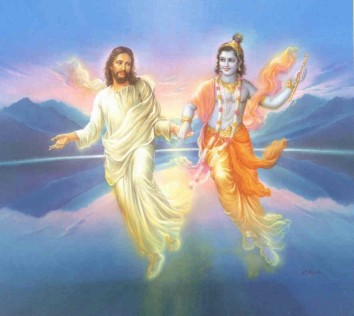
21st Jan, 2016
5th Jun, 2025
9th Aug, 2025